Inheritance

Inheritance Non-Residents in Balearic Islands

Professional guide to accepting inheritances in the Balearic Islands for citizens of the European Union.

Accepting an inheritance in the Balearic Islands is a legal process that must follow specific formalities and deadlines. In addition, Balearic tax rules grant a 99% reduction on Inheritance and Gift Tax for descendants, ascendants and spouses.

Personal documents

Important Personal Documents

Certificate of death of the deceased.

An international death certificate or one from the deceased’s country must be provided, and if it is not in Spanish, an official sworn translation into Castilian is required. The sworn translation can be done either in the heir’s country of origin or in the Balearic Islands by officially recognised sworn translators.

Identification documents.

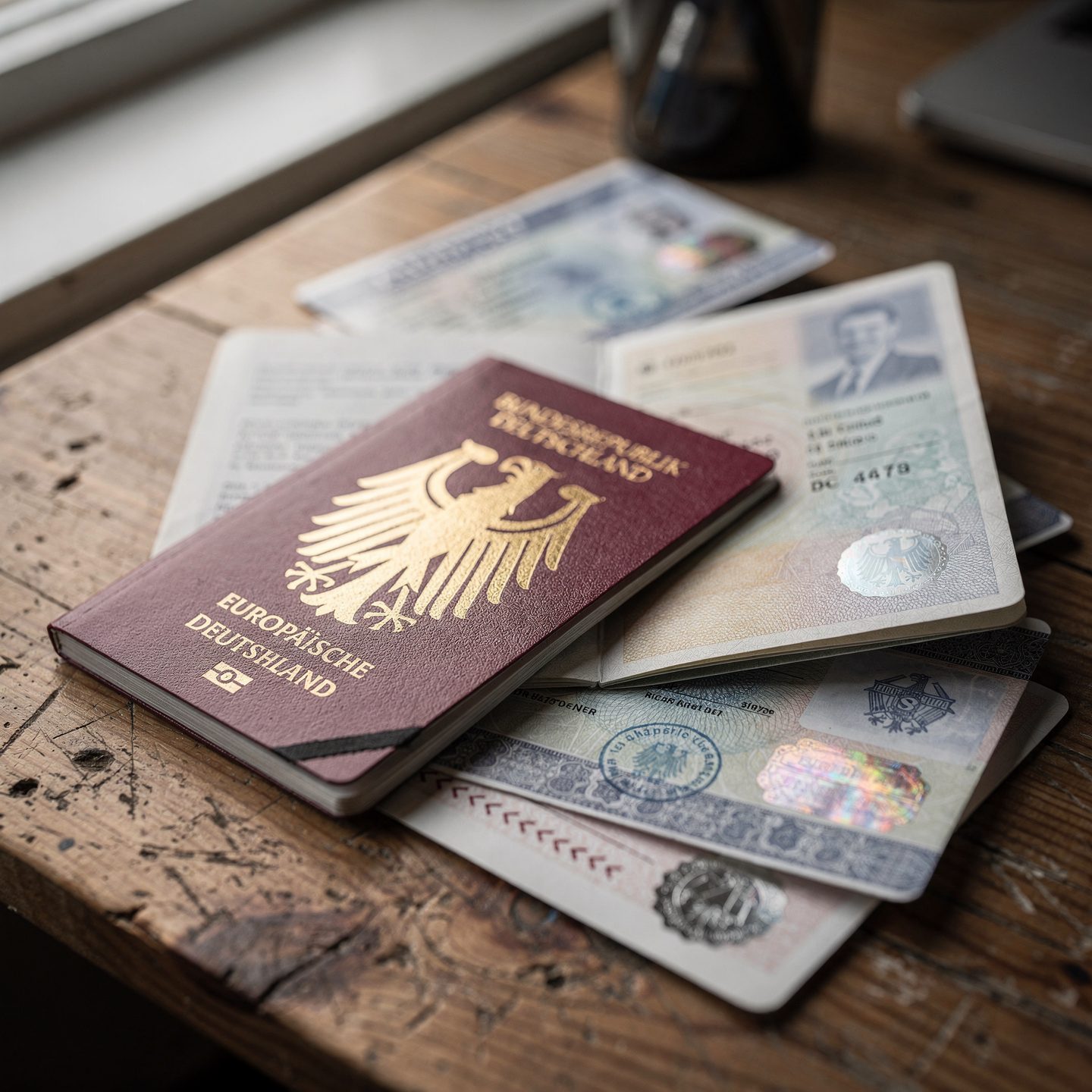
The valid passports or identity documents of all heirs must be provided, as well as those of the deceased, where available, for the entire administrative and notarial procedure. It is essential to verify that all identification documents are valid at the time of processing.

Accreditation of your right to inherit.

Register of Last Wills.

Certificate from the Central Register of Last Wills, which confirms whether or not the deceased granted any testamentary dispositions. This essential certificate will be requested and obtained directly by the notary’s office handling the acceptance of the inheritance.

Succession document from the country of origin.

Notarial will from the country of origin with a notarial deed of opening, inheritance certificate from the country of origin or European Certificate of Succession, each duly legalised with the Hague Apostille and accompanied by an official sworn translation into Spanish.


ImportantAll documents from the country of origin must bear the Hague Apostille and be accompanied by an official sworn translation into Spanish, unless they were originally issued in several languages, including Spanish.
Step by step

Applying for a Spanish Foreigner Identity Number (NIE)

All heirs must hold a Spanish Foreigner Identity Number (NIE) in order to process the inheritance. Foreign nationals who do not yet have this document can apply for it either at the Spanish consulates in their country of residence or directly at the immigration offices in Spain. The application process requires completion of the official EX-15 form and payment of the applicable fee.

1

Contact with the Consulate

It will be necessary to select the appropriate consulate according to the place of residence of the interested party and arrange a prior appointment required for the processing.

2

Preparation of Documentation

The applicant must gather a valid passport or identity document, the official application form, and, if required, reliable evidence justifying the NIE request.

3

Attendance at the Appointment

The applicant is required to appear in person, accompanied by all the required documents, at the designated consular office.

4

Obtaining the NIE

Once the application process has been completed, the Spanish tax identification number will be issued for the relevant purposes.

Property

Real Estate Documentation

Complete details from the Property Registry concerning the Spanish property or properties included in the inheritance, along with current registry extracts that evidence ownership, encumbrances, charges and registered rights affecting the real estate. Additionally, receipts for the Property Tax (IBI) corresponding to the current fiscal year must be provided.

European Union Documentation

In the case of jointly-owned properties, documentation relating to the homeowners' association must be provided, including current account statements and any agreements affecting the property.

Rented Properties:

In the case of leased properties, the current rental agreements and rental income must be thoroughly documented.

Debts and charges

Document Debts and Liabilities

Credit Contracts

All existing credit or mortgage contracts must be presented in full. These documents show the original terms and conditions of the loan.

Current Debt Balances

Bank certificates as of the date of death of the deceased document the exact debt balances. These balances are crucial for calculating net assets and inheritance tax.

Verify Charges

Review the mortgage charges registered in the Property Registry. These charges reduce the value of the inheritance accordingly.

Legalising documents
01

• Hague Apostille.

For public documents issued in the country of origin to have legal effect in Spain, they must be duly legalised by means of the Hague Apostille, which must be obtained from the competent authority in that country before the documents are submitted in the Balearic Islands.

02

Official Sworn Translation

Documents drawn up in a language other than Spanish must be accompanied, for their full validity in Spain, by an official sworn translation into Spanish carried out by an authorised sworn translator, in order to ensure their effectiveness in the inheritance acceptance and distribution procedure.

03

Multilingual Documents

When documents have been originally issued in a multilingual version that includes Spanish, an additional sworn translation will not be required; however, they must equally be apostilled in accordance with the Hague Convention for their recognition by the Spanish authorities.

04

Verification by the Notary

It is highly advisable that both foreign documents and their official sworn translations be reviewed by the authorising notary in order to verify their formal and material integrity before proceeding with the succession proceedings and tax processing before the ATIB.

Checklist

Your checklist at a glance.

  • Personal Documents: Death certificate, identity documents of all heirs, NIE numbers
  • Proof of inheritance: Wills register, German will or inheritance certificate with apostille.
  • Property Documentation: Extracts from the land registry, IBI receipts, community documents, tenancy agreements.
  • Financial Documents: Bank certificates, insurance proofs as of the date of death.
  • Liabilities: Credit agreements, mortgages, debt statements as of the date of death.
  • Legalisation: Apostille and sworn translations into Spanish of all original documents.

With this complete documentation, you will be perfectly prepared for accepting the inheritance.

If you have any questions, our team and notary are at your disposal.

It will be our pleasure to assist you.

We guide you through the entire process of accepting an inheritance in the Balearic Islands, supported by our experienced notary.

With over 38 years' experience in Mallorca's real estate market, we provide expert advice in German, Spanish, and English.

Get in touch with us today – we help you swiftly and without complications.